
Writing What I Know

I left this blog for months. Why? What was I waiting for? More information. Studies by historians about the childhoods of rabbis’ daughters in the small towns of Northeast Hungary.
I searched, but I didn't find.
That silenced me into believing that my attempt to understand your life was a fool’s errand.
And so I gave up.
But now I’m back not because I discovered your diary, a cache of your letters, or even a historical document. That black hole is real, but then again, if I dont record the few facts, I know no one else will.
So, dear Bubbie, where did we leave off? At your birth order, your arrival on the planet was bracketed with the deaths of two baby brothers.
What happened during your early years? You went to school until you were in your mid-teens. According to the Yizkor book, Csenger had a Jewish school.
My mother said you were whip-smart but relatively unschooled—as was customary in those days, your formal education, longer than usual, ended early, for you a bit later than for most in your mid-teens, but university. Did you even want to go?
No career, either. Back then, girls worked at home, making everything from smoked meats to butter to mittens and socks.
You loved your family, especially your mother and sisters, and the domestic arts were your superpower—a champ at embroidery, baking, and cooking.
In one of the few stories she told about you, my mother recalled you boasting to a non-Jewish neighbor about an excellent soup you had just made. You even served her some to taste. She complimented you, but then she inquired if the flavor had come from the blood of a Christian child. Even a seemingly friendly neighbor had blood libels on the brain.
You eventually married sometime in your twenties. I have searched but have yet to find your marriage documents.
Grandpa was a former yeshiva student—he had attended the Chasam Sofer Yeshiva in Pressburg, the same yeshiva your father had participated in, and was a newly discharged soldier. He was one of 300,000 Austro-Hungarian Jews who joined the "holy war" battling an enemy they likened to the Austro-Hungarian Jews loved their emperor, “Efroym Yoselle,” because he, unlike the Czars, let them live and prosper.
The Habsburg army supplied kosher food chaplains and opportunities to pray, almost like the IDF, except it wasn’t coed.
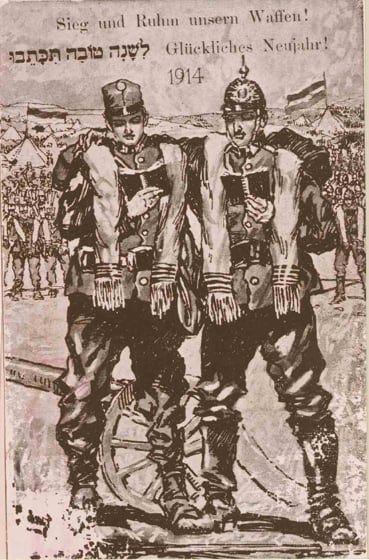
Grandpa probably fought on the bloody battlefields of Galicia, eventually joining the 17 per cent of his fellow co-religionists as a POW taken against his will to Central Asia, where he worked on a farm and claimed to have been treated decently. Not all POWs were so fortunate.
Grandpa’s oldest brother, Benjamin, was among the 30 to 40,000 Jewish soldiers who never made it back, either losing their lives on the battlefield or due to untreated wounds or illness.